

Introduction: Immersive AR Enters a New Era
In 2025, immersion has become the defining standard for augmented reality hardware. According to recent industry research, over 65% of enterprise and professional users rank immersion quality—such as field of view, latency, and realism—as the top factor when choosing AR devices. As AR applications expand into engineering, training, healthcare, and design, the demand for truly immersive solutions continues to rise.
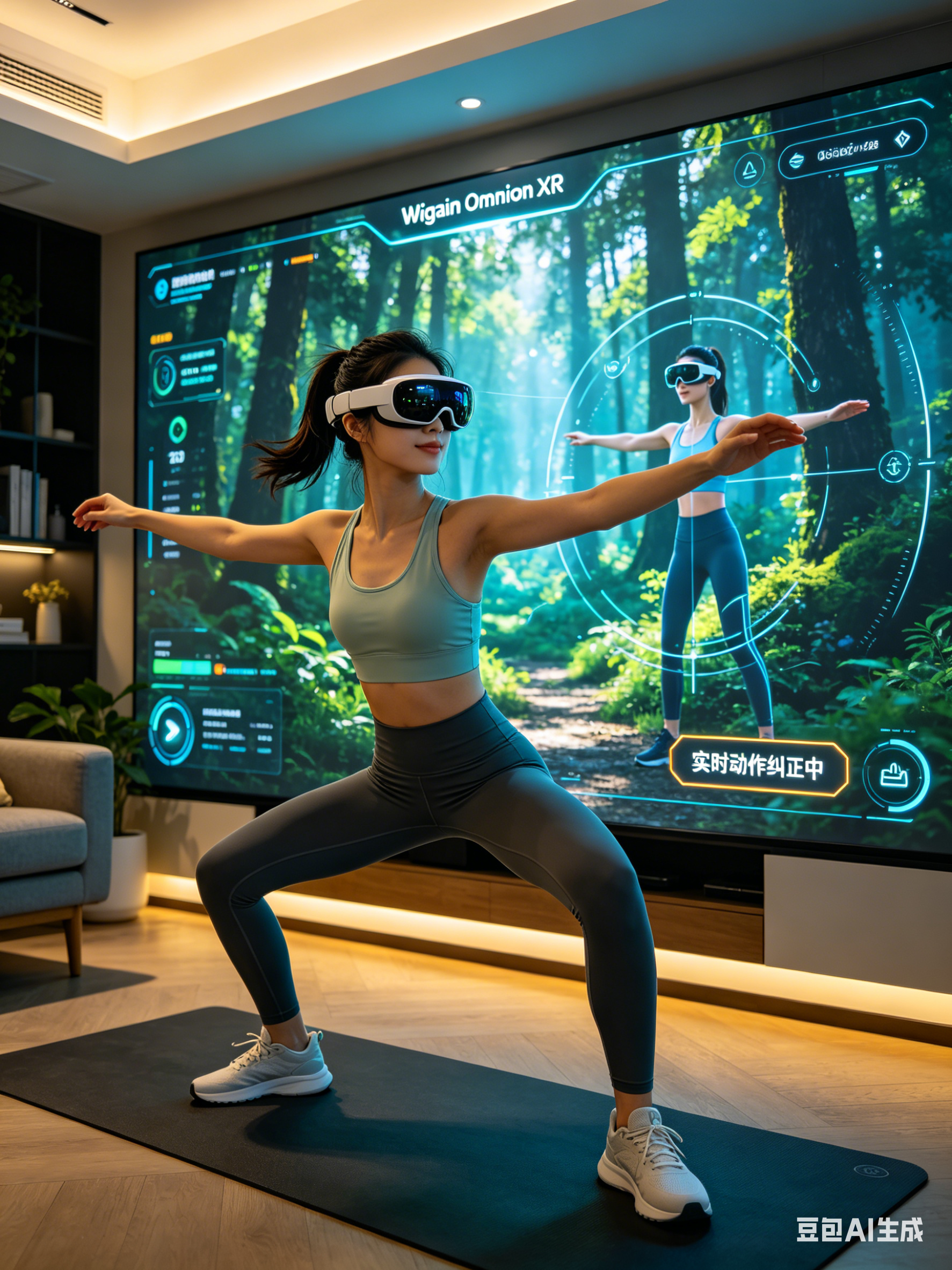
This shift has pushed manufacturers to rethink what immersion really means. It is no longer just about overlaying digital content—it is about creating a convincing sense of presence. Among the emerging leaders in this space, the Wigain Omnision XR stands out as a strong contender for the best AR glasses available today. Designed for professionals who require the most immersive augmented reality experiences, Wigain focuses on visual realism, natural interaction, and system responsiveness.
This review explores whether the Wigain Omnision XR truly delivers on the promise of immersive AR glasses, and how it compares to other solutions in today’s market.
What Makes AR Glasses Truly Immersive?
Before evaluating any device, it’s important to define immersion in the context of AR. Immersion is created when digital elements blend seamlessly with the real world, responding instantly and naturally to user movement and intent.
Key factors include:
- Wide field of view to reduce tunnel vision
- Low latency to prevent motion mismatch
- Depth sensing for realistic spatial placement
- Eye tracking for natural focus and interaction
- Spatial audio that matches visual cues
- Presence technology that maintains realism over time
The Wigain Omnision XR addresses each of these elements through both hardware and software integration, positioning itself as AR glasses for immersion, not just display.
Display and Field of View: Expanding Visual Presence
One of the most important immersion drivers is visual coverage. The Wigain Omnision XR uses a high-resolution optical waveguide display with a wide field of view that allows digital elements to extend naturally into the user’s peripheral vision.
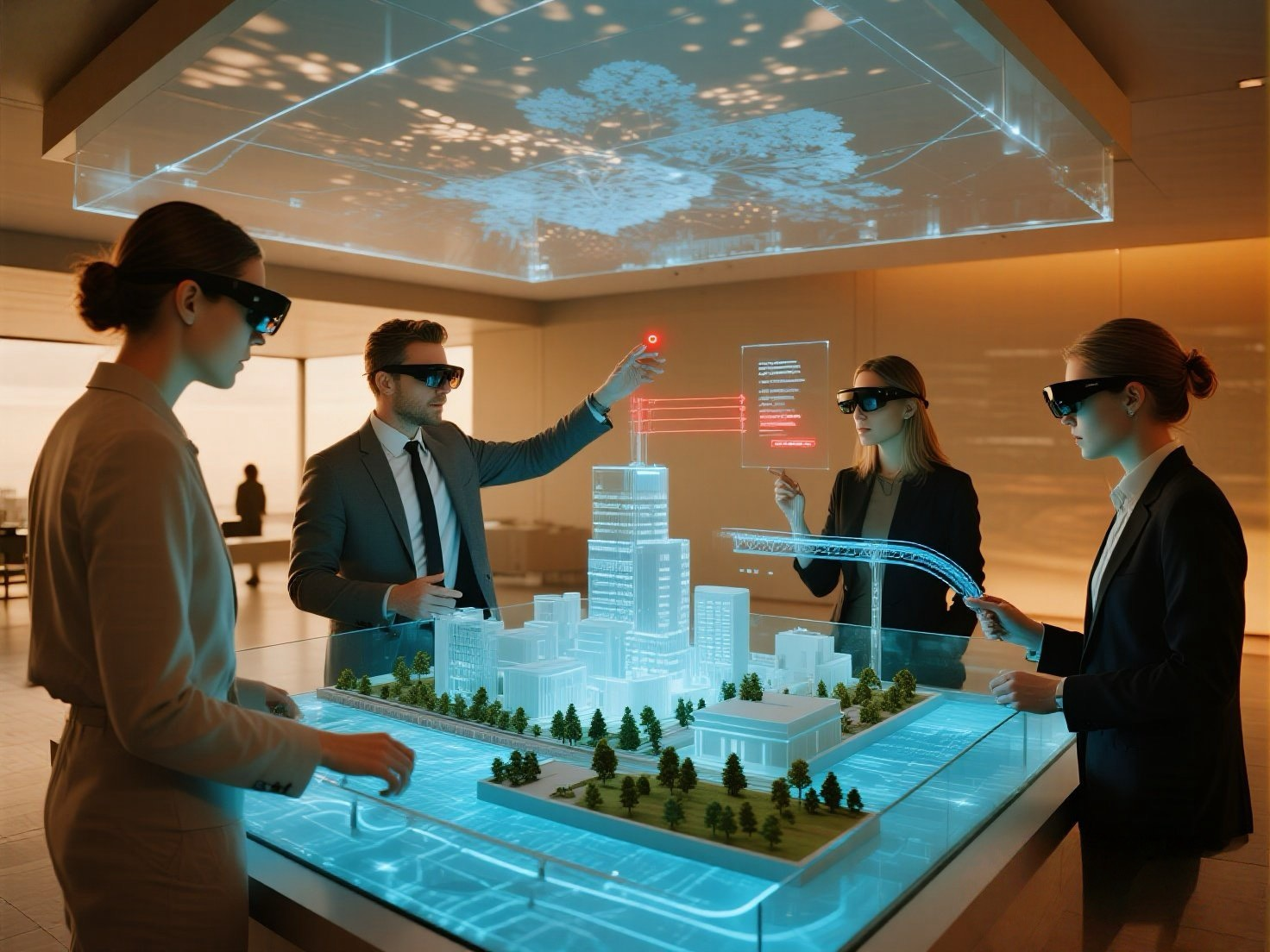
Unlike early AR devices that felt like floating screens, Wigain enables realistic holograms that appear anchored in physical space. This makes a major difference for professional use cases such as:
- 3D model review
- Training simulations
- On-site visualization
- Collaborative design
The increased field of view strengthens spatial awareness and reduces the mental effort required to interpret digital overlays—an essential feature for users seeking the most immersive augmented reality experience.
Low Latency and System Responsiveness
Immersion breaks instantly when systems lag. Even slight delays between head movement and visual updates can cause discomfort and reduce realism.
The Wigain Omnision XR is powered by a high-performance XR chipset optimized for low-latency rendering and tracking. This ensures:
- Smooth head-tracked visuals
- Stable hologram placement
- Natural motion continuity
In practice, this allows professionals to move freely while maintaining consistent digital alignment—critical for applications such as remote guidance, AR training, and technical visualization. Low latency is one of the key reasons Wigain is often mentioned among the best AR glasses for serious users.
Depth Sensing and Realistic Holograms
Depth perception is central to immersion. Without accurate spatial understanding, digital objects feel artificial.
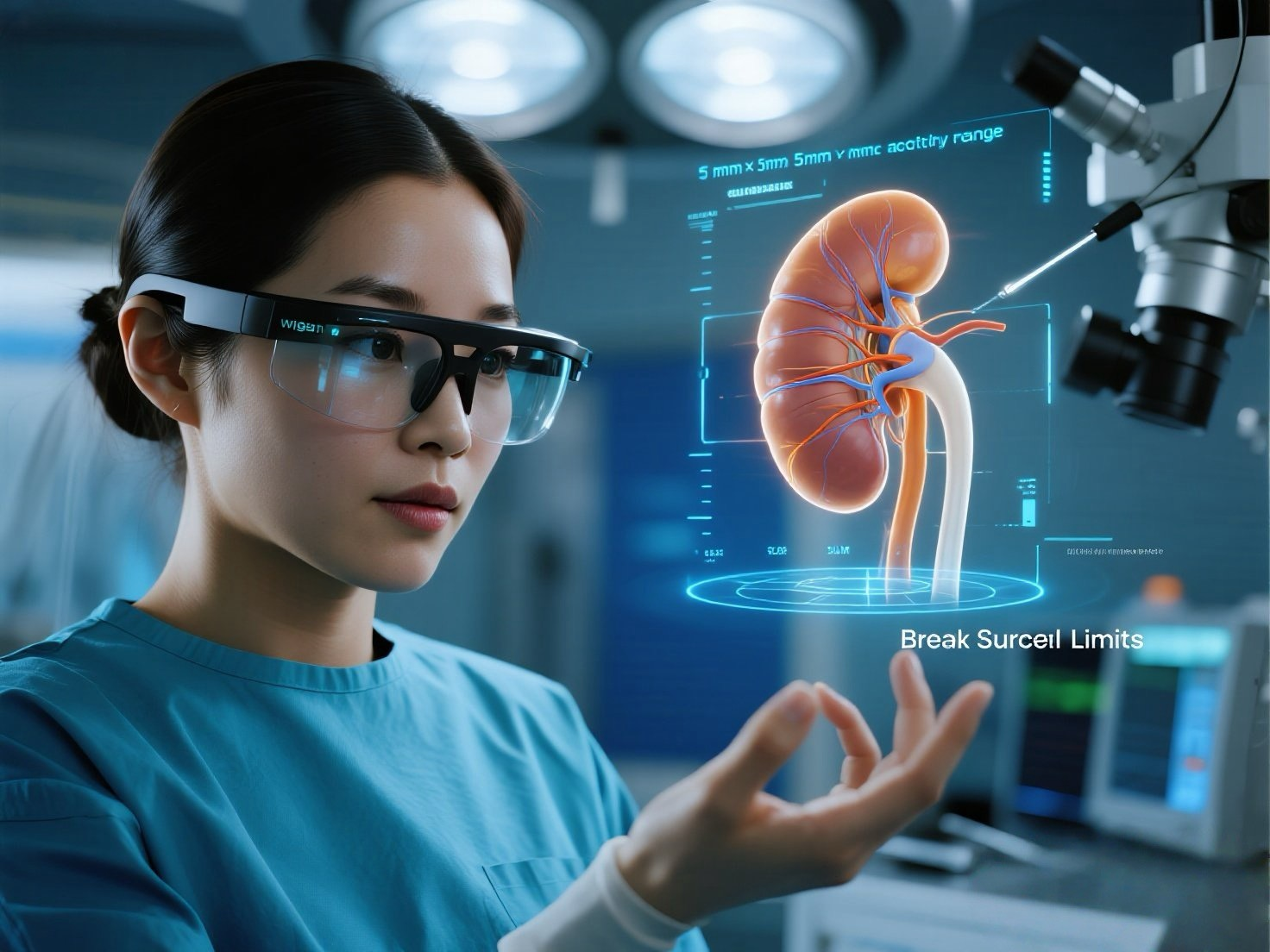
The Wigain Omnision XR integrates advanced depth sensing and spatial mapping to place content accurately within the environment. Virtual objects respond correctly to distance, scale, and occlusion, creating realistic holograms that feel grounded rather than floating.
This capability enhances:
- Equipment visualization in industrial settings
- Architectural walkthroughs
- Medical training simulations
- Multi-user AR collaboration
By aligning digital depth with real-world geometry, Wigain strengthens presence technology, allowing users to remain engaged for longer periods without fatigue.
Eye Tracking and Natural Interaction
Another key contributor to immersion is intuitive interaction. The Wigain Omnision XR incorporates eye tracking to enhance precision and reduce unnecessary gestures.
Eye tracking enables:
- Context-aware UI responses
- Faster object selection
- Reduced hand movement
- More natural focus control
When combined with gesture and voice input, interaction feels fluid and human. This level of responsiveness supports deeper engagement, reinforcing Wigain’s position as AR glasses for immersion rather than basic display hardware.
Spatial Audio for Multisensory Presence
Visual immersion alone is not enough. Sound plays a crucial role in creating believable environments.
The Wigain Omnision XR features integrated spatial audio, allowing sound to originate from specific virtual locations. This improves realism in:
- Training simulations
- Virtual meetings
- Guided workflows
- Remote assistance
Audio cues align with visual elements, enhancing presence technology and making interactions feel more natural and intuitive.
Comfort and Long-Term Immersion
True immersion requires comfort. Heavy or poorly balanced devices quickly break focus.
The Wigain Omnision XR is designed for extended professional use, with:
- Lightweight construction
- Balanced weight distribution
- Ergonomic frame design
This allows users to stay immersed for long sessions without physical strain—an important factor for professionals relying on AR throughout the workday.
Who Are These Immersive AR Glasses For?
The Wigain Omnision XR is ideal for users who require most immersive augmented reality rather than casual AR experiences:
For these users, immersion is not optional—it directly impacts productivity, accuracy, and learning outcomes.
The Future of Immersive AR
As AR continues to evolve, immersion will define adoption success. Devices that fail to deliver realism and presence will struggle in professional environments.
With its focus on wide field of view, low latency, eye tracking, depth sensing, spatial audio, and presence technology, Wigain demonstrates what next-generation AR should look like. It moves beyond novelty and into practical, immersive utility.
Conclusion: Wigain Omnision XR and Immersive AR Glasses
Immersion is no longer a luxury—it is the foundation of effective augmented reality. After examining its display, performance, interaction, and spatial capabilities, it’s clear that the Wigain Omnision XR sets a high standard for professional AR.
By combining realistic holograms, responsive tracking, and multisensory design, Wigain delivers one of the most convincing AR experiences available today. For professionals seeking AR glasses for immersion rather than simple overlays, this device stands out as a serious solution.
In a market crowded with compromises, the Wigain Omnision XR and immersive AR glasses represent a clear step forward in how augmented reality should feel, perform, and integrate into real work.

Share:
Beyond Smartphones: How Wigain Omnision XR+AI Glasses Revolutionize Field Work
The Business Benefits of Extended Reality: Transforming Industries with Wigain Omnision XR