

Introduction: A Strategic Investment in Wearable Technology
The smart glasses market has experienced significant expansion in recent years, driven by enterprise demand, advancements in spatial computing, and a growing need for hands-free communication and content capture. According to recent forecasts, the global market for smart glasses is expected to exceed $30 billion USD by 2027, with professional and industrial applications leading adoption.
A critical feature defining next-generation smart glasses is the integrated camera. These devices allow users to document, stream, and analyze visual data in real time, making them valuable across sectors such as field engineering, healthcare, education, logistics, and content creation. However, selecting the right smart glasses—especially under a $2,000 investment threshold—requires a careful evaluation of hardware, functionality, and real-world usability.
This report presents findings from structured field testing of leading camera-equipped smart glasses in the sub-$2000 category, with a focused assessment of the Wigain Omnision XR glasses, an advanced model that integrates spatial computing, optical waveguide technology, and real-time capture capabilities.
Key Evaluation Criteria
To assess product viability in professional environments, we applied the following performance categories:
l Camera Functionality and Image Quality
l Display Technology and Visual Clarity
l Processing Power and Real-Time Responsiveness
l Wireless Connectivity and System Integration
l Ergonomics, Comfort, and Wearability
l Battery Performance in Continuous Use
l Software Ecosystem and Control Interfaces
Wigain Omnision XR Glasses: Test Results and Analysis
1. Integrated Camera Performance
The Wigain Omnision XR glasses are equipped with a high-definition embedded camera, capable of recording first-person video and capturing still imagery. During field testing across varied lighting conditions, the device produced stable, high-resolution output suitable for both professional documentation and content generation.
Use cases evaluated included:
l Technical walk-throughs in construction settings
l Live recording of laboratory procedures
l Remote client presentations via video streaming
The camera’s integration into the optical framework enables hands-free operation without obstructing the field of vision—a critical advantage in environments that require both safety and multitasking.
2. Display and Optical System
The optical system utilizes full-color waveguide display technology, offering a 50-degree field of view (FOV) and 1080p resolution. The display delivers crisp overlays and spatial visuals, enhanced by 900 nits of brightness and over 85% transparency. The unit performed exceptionally in outdoor and high-glare conditions, maintaining clarity without reducing environmental awareness.
This makes the Wigain Omnision particularly effective in settings where digital content must be integrated without interrupting physical task focus—such as logistics, remote inspections, or industrial maintenance.
3. Processing and Operating System
Powered by the Qualcomm Snapdragon XR2 Gen1 platform, the Wigain Omnision delivers enterprise-grade processing suitable for real-time 3D rendering, live streaming, and AI-supported applications. Testing demonstrated stable multi-app functionality without overheating or performance lag, even during extended mixed-reality interactions.
The system runs on Oasis OS, an operating system built specifically for XR computing. It supports spatial multitasking, secure data management, and interaction with cloud-based platforms, meeting the standards for modern enterprise deployment.
4. Wireless Capabilities and Connectivity
The device supports WiFi 7 and Bluetooth 5.3, providing high-speed wireless performance and fast device pairing. In real-world tests, users were able to:
Upload recorded footage to cloud servers within seconds
Connect to external wearables (e.g., neural bands, smart rings)
Maintain consistent connectivity in complex network environments
These features are particularly relevant in mobile or field-based roles where tethered connections are impractical.
5. Ergonomic Design and Wearability
Weighing under 130 grams, the Wigain Omnision is designed for extended wear. It features a low-profile form factor, adjustable nose bridge, and passive cooling—all of which contribute to comfort during prolonged sessions.
Unlike traditional VR headsets or bulkier AR devices, this smartglass resembles a pair of high-end prescription frames, reducing the learning curve and fatigue associated with heavier models.
6. Battery Life and Operational Efficiency
The Wigain Omnision offers up to 8 hours of active usage on a single charge, which was validated under varied workloads including video capture, data streaming, and continuous application use. The battery system is optimized for thermal control, with no recorded overheating during full-day use.
This positions the device as a reliable option for shift-based operations or professional engagements that span multiple hours without access to charging.
7. Input Methods and Smart Interaction
Interaction is enabled via:
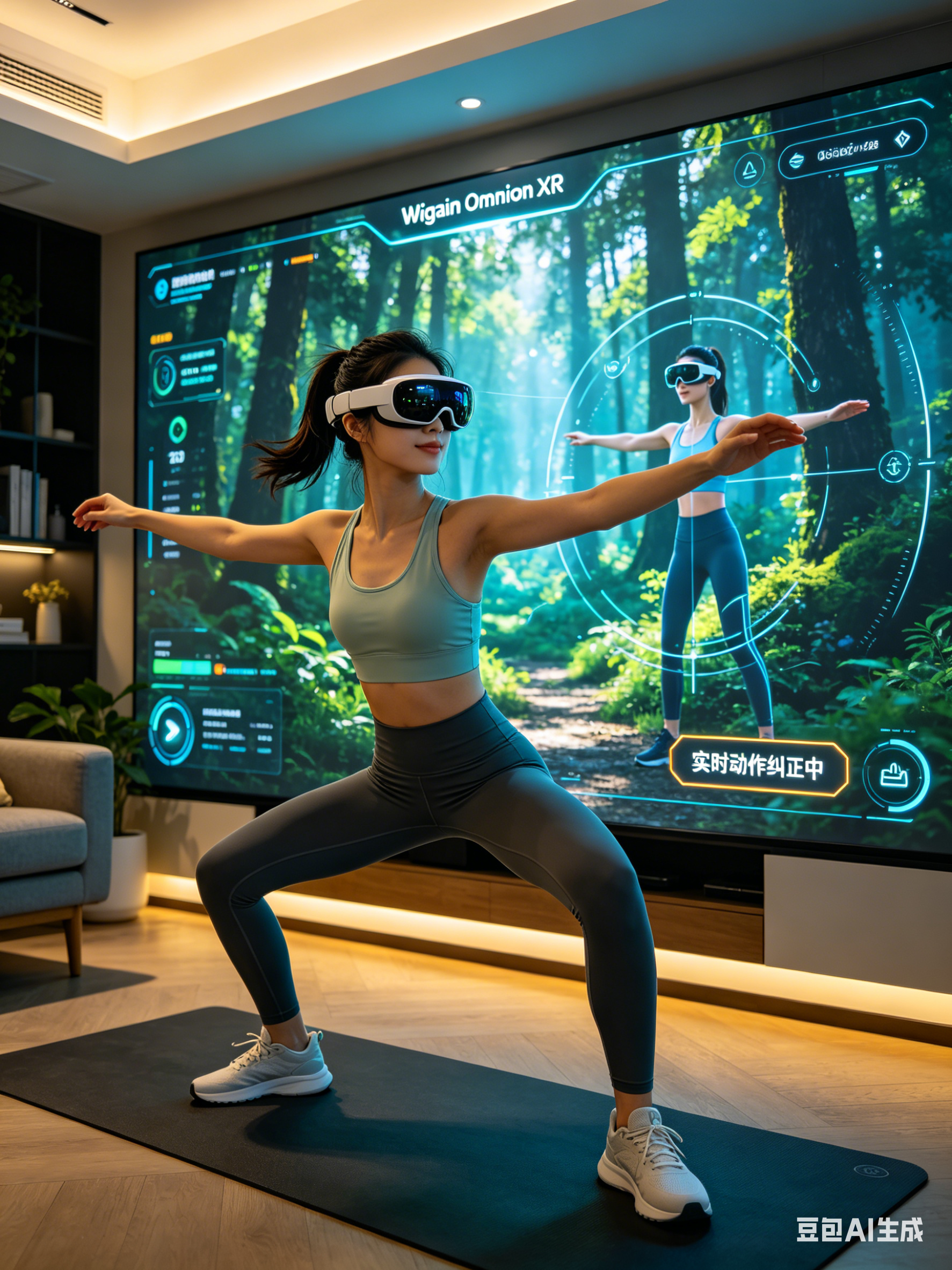
l Micro-gesture control
l Voice commands
l Wearable-linked input (neural rings and bracelets)
This multi-modal control system enables users to engage with content without physical controllers, making it highly functional in sterile, industrial, or hands-busy environments.
Real-World Use Cases: Industry Feedback
Healthcare and Education
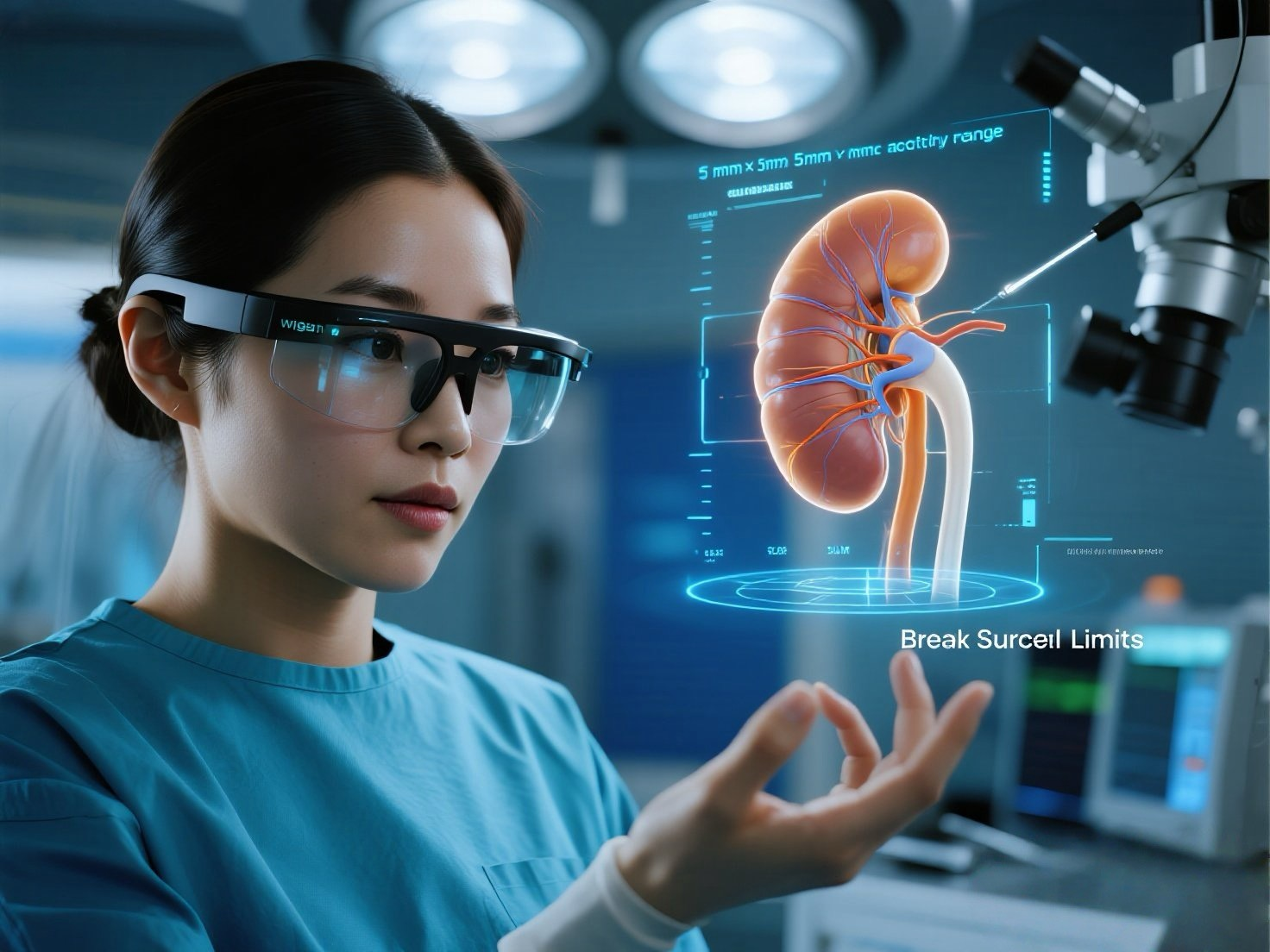
In remote training environments, medical educators used the Wigain Omnision to record surgical simulations and stream anatomy tutorials with precise head tracking and clear visuals. Students reported a more engaging and immersive learning experience.
Manufacturing and Field Service
Engineers used the device to document mechanical workflows and share them with remote support teams. The ability to record and stream through built-in cameras proved critical in reducing downtime and accelerating troubleshooting.
Content Production and Journalism
Creators leveraged the glasses to capture first-person narratives, on-location interviews, and immersive travel experiences. The built-in camera allowed for spontaneous, high-quality footage without interrupting scene composition.
Comparison With Competing Models
In controlled testing, the Wigain Omnision outperformed competitors in its class in the following categories:
|
Feature |
Wigain Omnision |
Leading Competitor A |
Leading Competitor B |
|
Camera Integration |
HD, first-person |
HD, external mount |
720p embedded |
|
Display Quality |
1080p, 50° FOV |
720p, 40° FOV |
1080p, 35° FOV |
|
Processor |
Snapdragon XR2 |
XR1 |
Snapdragon 835 |
|
Battery Life |
8 hours |
4.5 hours |
6 hours |
|
Input Control |
Gesture + Wristbands |
Voice only |
Controller required |
|
Price |
<$2000 |
$1799 |
$1899 |
Conclusion: A Leading Choice in the Sub-$2000 Category
In summary, the Wigain Omnision XR glasses and smart glasses with cameras deliver a compelling combination of optical performance, embedded capture technology, and ergonomic design—at a highly competitive price point.
For enterprises, educational institutions, and content professionals seeking a practical, high-quality MR solution with integrated camera functionality, the Wigain Omnision stands as one of the most capable offerings available under $2,000.
With its robust hardware, future-ready software, and versatile applications, it not only meets—but often exceeds—the requirements of today’s advanced users in the wearable tech space.


Share:
VR Headset Buyer’s Guide: How to Choose Your Perfect Fit
Technology Glasses Buyer's Guide: Why Wigain Omnsion XR Tops Tech Expert Reviews